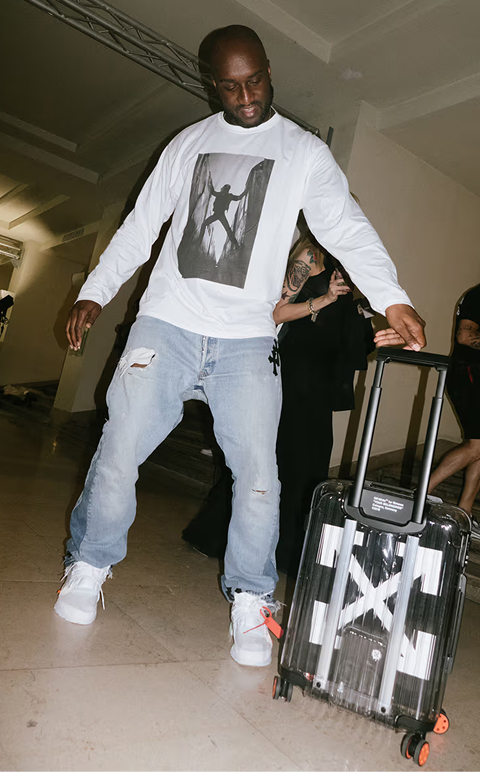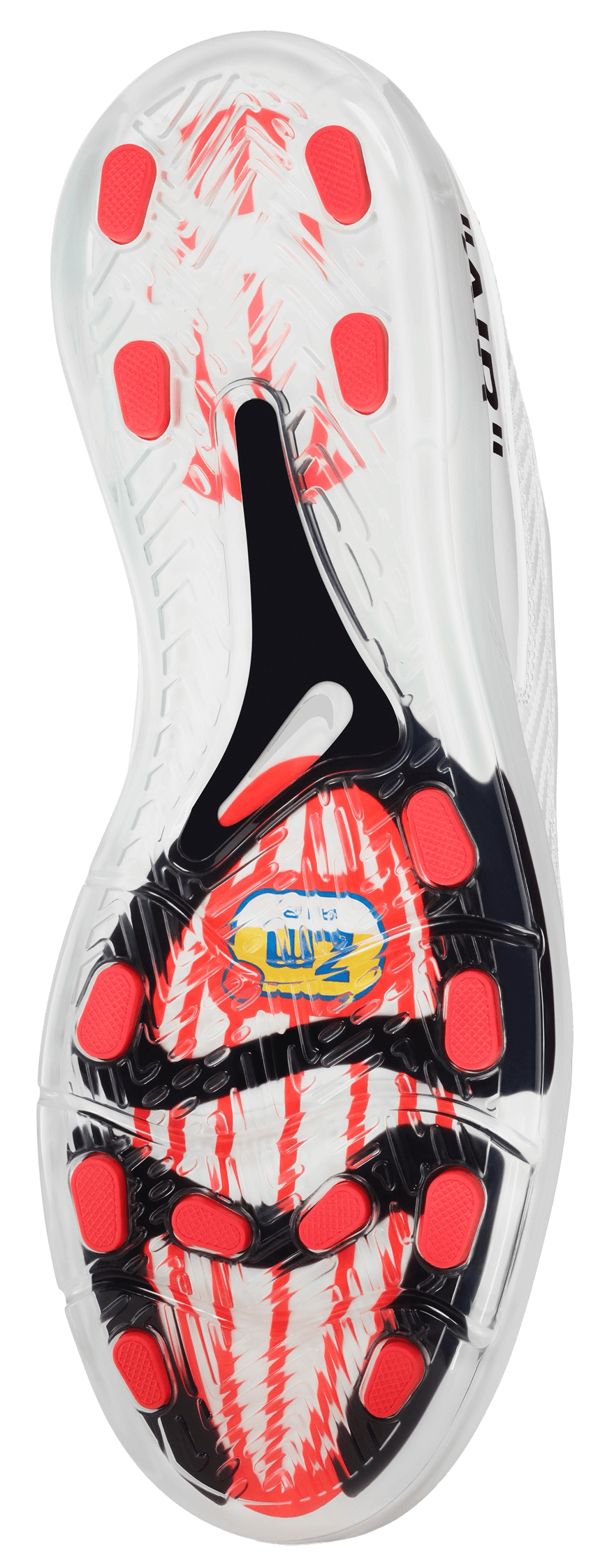

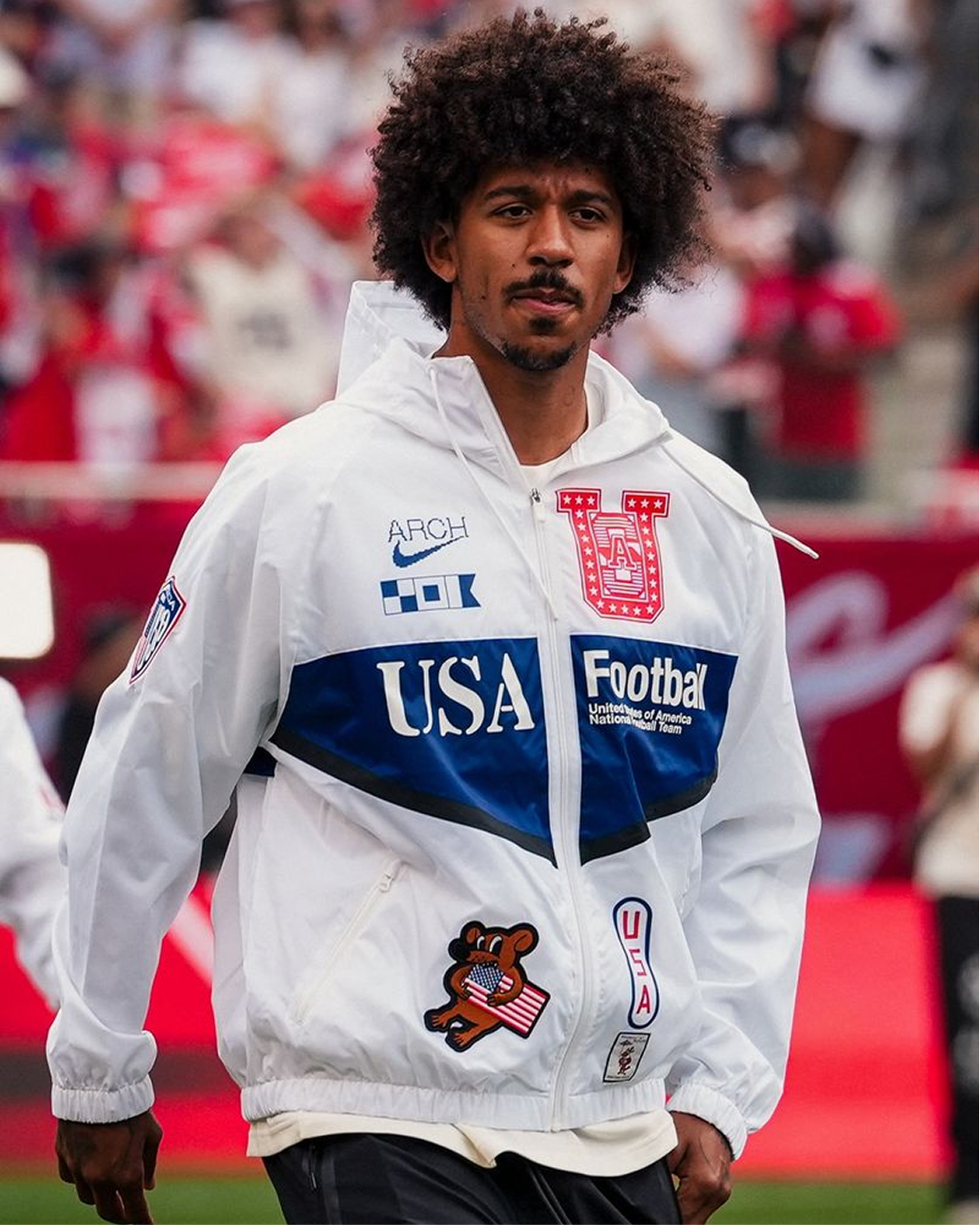
Football never stops. The clock ticks even during goal celebrations, play continues through most injuries, and even set pieces twitch with off-ball movement. The minutes before kick-off are about as still as the game gets. Players line up on the pitch in steely silence and the camera lingers in their faces01 as the anthems swell. Perhaps Peter Drury02 is on the mic, delivering a charmingly florid preface to the match that’s about to unfold. Nike’s X2 collection, a set of national pairings between clubs and designers, celebrates these moments of tension, focused on gear meant for pre-match rituals like warm-ups and national anthems03. For the 2026 Men’s World Cup, V.A.A.™ has designed a range of apparel and footwear that filters the recent history of American sportswear and its relationship with football through Virgil’s design codes.
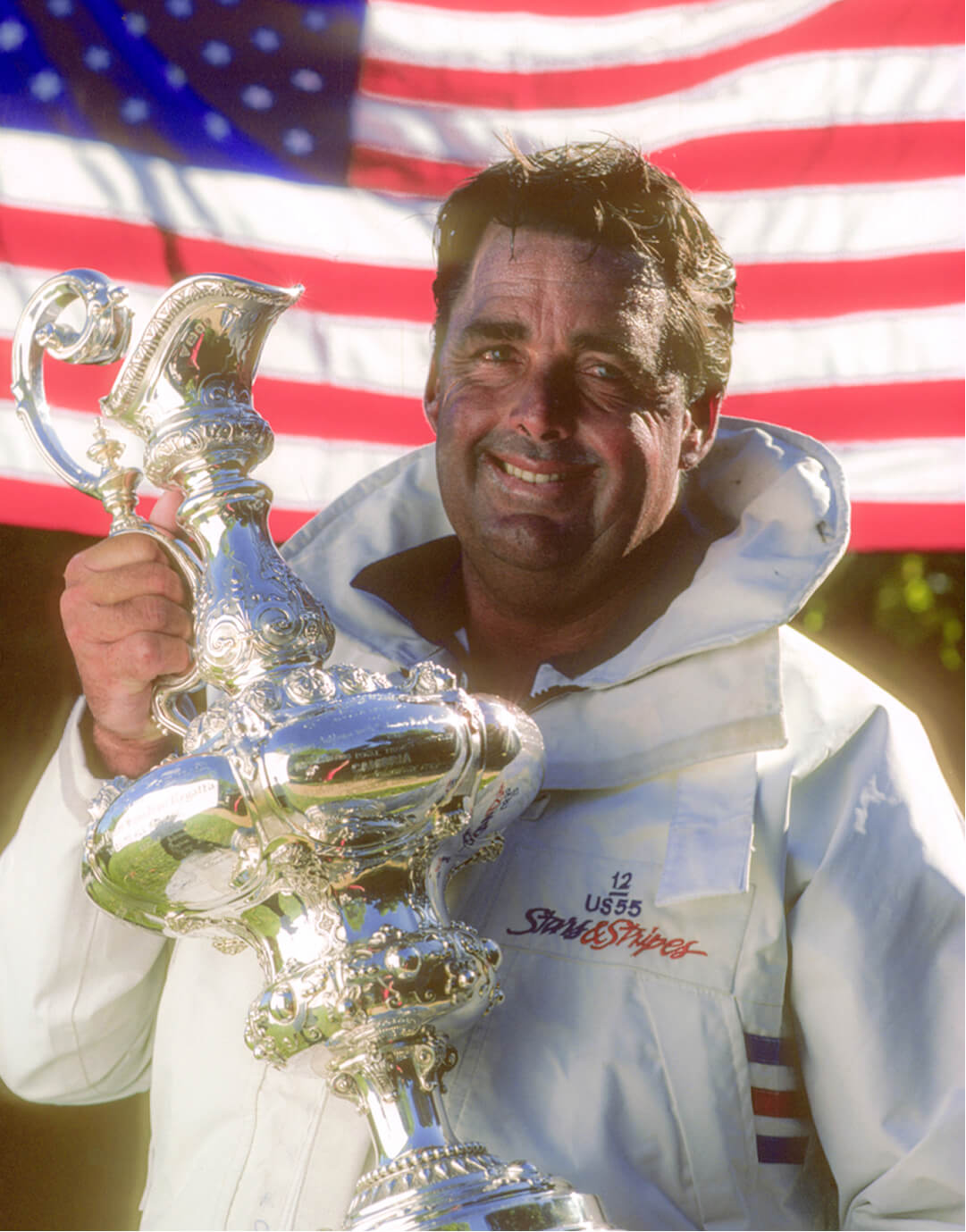
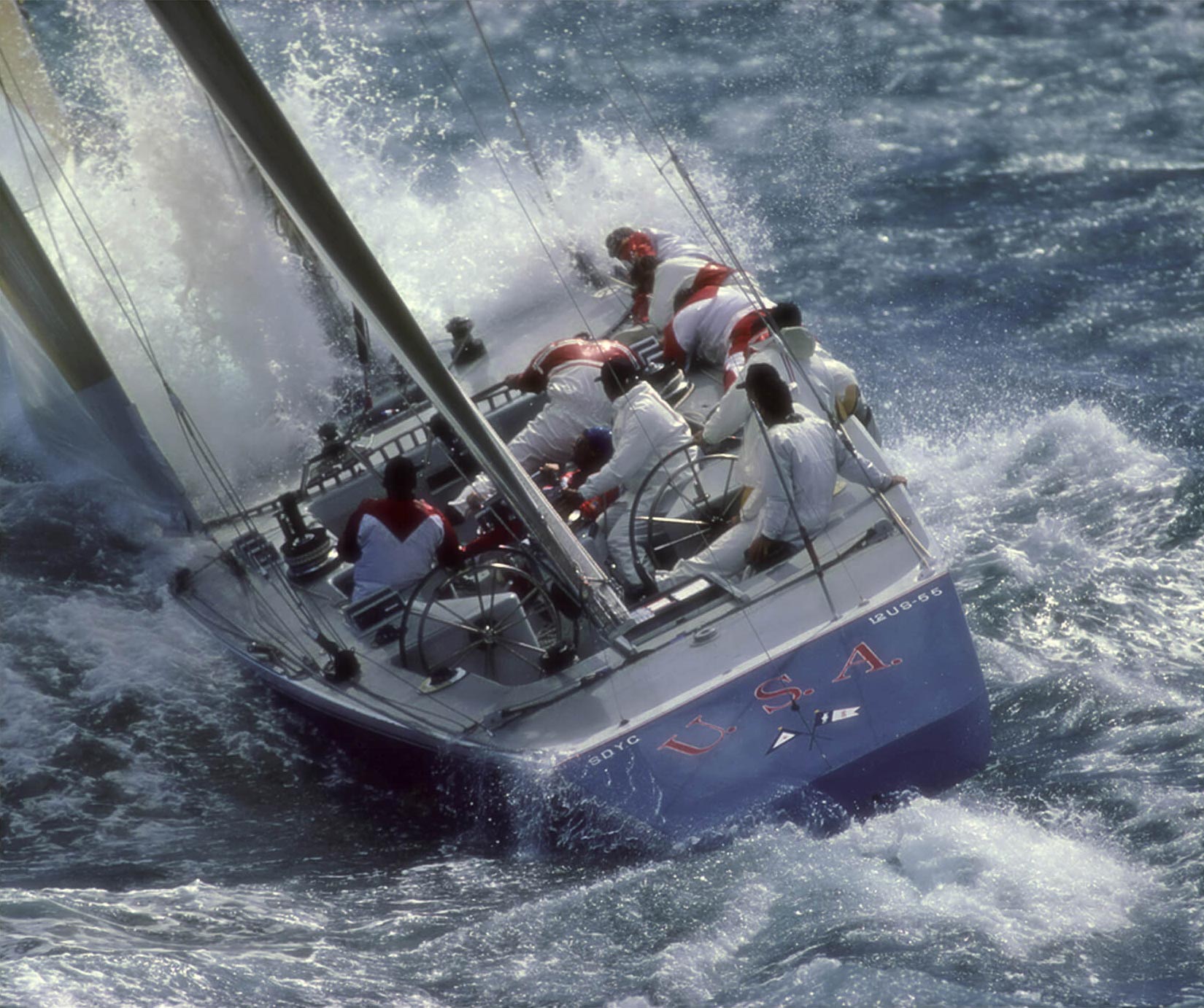
In 1851, the schooner America04, representing the New York Yacht Club, sailed across the Atlantic to race a bunch of British yachts around the Isle of Wight. America smoked them so thoroughly that it was immortalized in the name of the race we still call the America’s Cup. It’s worth taking a moment to outline how unique a competition it is. It is the oldest active competition in organized sport. It has no fixed schedule, but is typically raced every three or four years. The defending champion determines the rules of the next cup, from the location, to the timing, to which class of boats will be raced. Any aspiring champions have to compete amongst themselves in the Challenger Selection Series for the right to face the defender. These structural advantages are a big part of why the New York Yacht Club defended the cup for 132 years, and why it was such a big deal that Dennis Conner05 and his team lost it to Australia II and John Bertand of the Royal Perth Yacht Club in 1983.
Conner wasted no time mounting a challenge to reclaim the Auld Mug06, and there was no skipper in the world better prepared to do so. In the lead up to the 1980 America’s Cup, Conner was credited with professionalizing the competition, becoming the first skipper to pay his team and insist on a full-time commitment, training 300 days a year with multiple boats. He was a fanatical competitor and had a keen sense of narrative, co-authoring numerous books on sailing with titles like No Excuse To Lose07. This comeback story, paired with live coverage on ESPN and the arrival of luxury sponsors, elevated the profile of the competition and made Conner a celebrity08. When he beat Kookaburra III in Perth in 1987 to reclaim the cup, he was given a hero’s welcome, even from the Australian supporters—Conner’s victory was greeted with a sign that read Well done Dennis you bastard.09
America loves a dynasty, but not as much as it loves triumphant underdogs, especially ones with swag as indelible as Conner and his team’s.
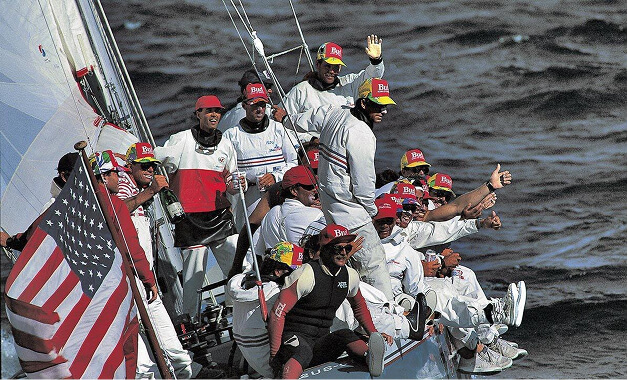
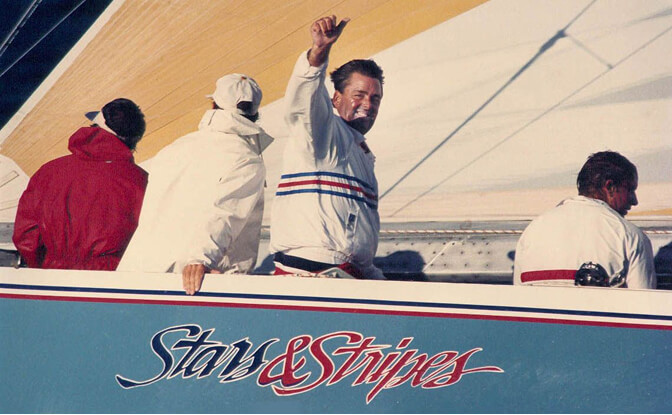
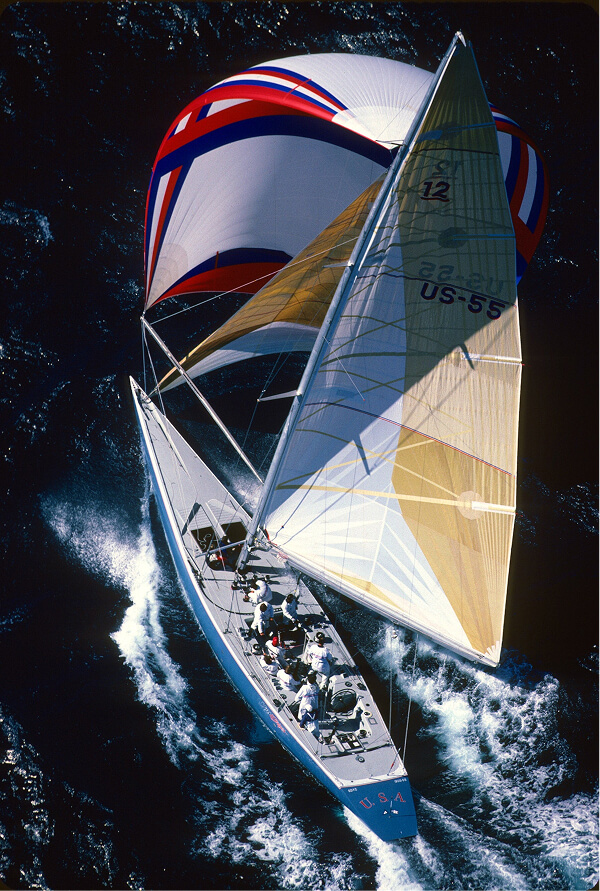
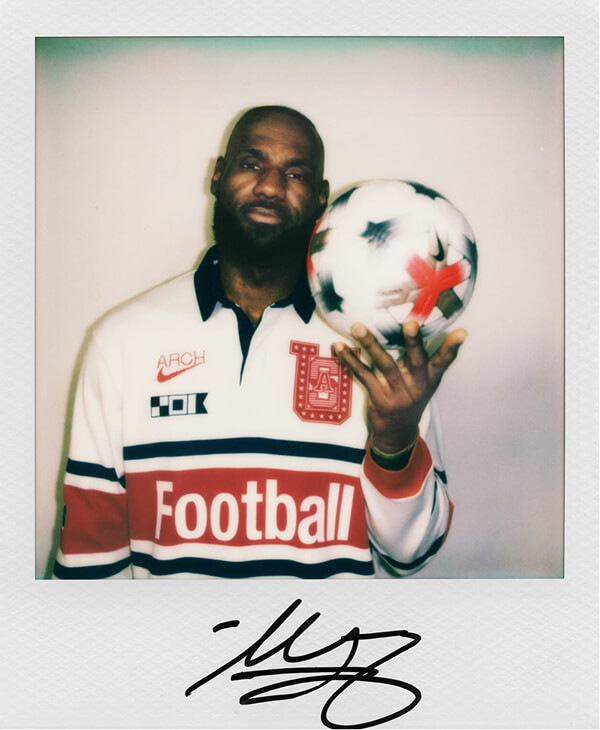
Conner’s syndicate was called Stars & Stripes, and photographs from the 1987 race capture a crew united yet individually expressive. A Washington Post article published the week before the race refers to them as “ragtag amateurs” who “have the freedom to say what they think and wear what they please.” Most of them wore white, and the pieces that really stood out were a team jacket, optic white with thin red and blue striping around the trunk, and a cap emblazoned with the team logo that features the same sort of billowing flag motif that dominates this year’s USMNT home kit. Photos from the 1987 race were foundational for the V.A.A.™ X2 collection—those jackets were canvases bright and wide as sails, primed to be coded with patches, crests, and text.
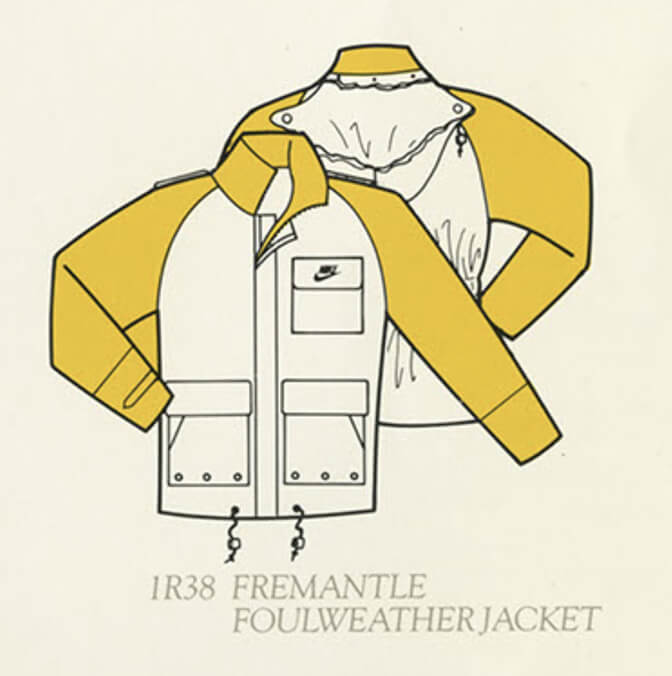
Coverage of Conner’s redemptive campaign raised sailing’s prominence in popular culture, turning a niche hobby for the wealthy into a mainstream sport, boosting the appeal of preppy, nautically-coded American fashion: Polo Ralph Lauren, Nautica, Helly Hansen. Crisp, clean, technical, and vibrant, already steeped in the semiotics of toney leisure pursuits like sailing, redolent with the visual cues Conner’s revenge arc pumped through the media. In 1987, Nike released its one and only boating range10, drafting off the sudden popularity of the sport and its attendant lifestyle. The Freemantle jacket from this collection became the basis for the Staff Jacket from the V.A.A.™ X2 collection. This was a moment of hybridity, where one set of signifiers bled into another—the kind of slippage between spheres that animated so much of V’s thinking and output.
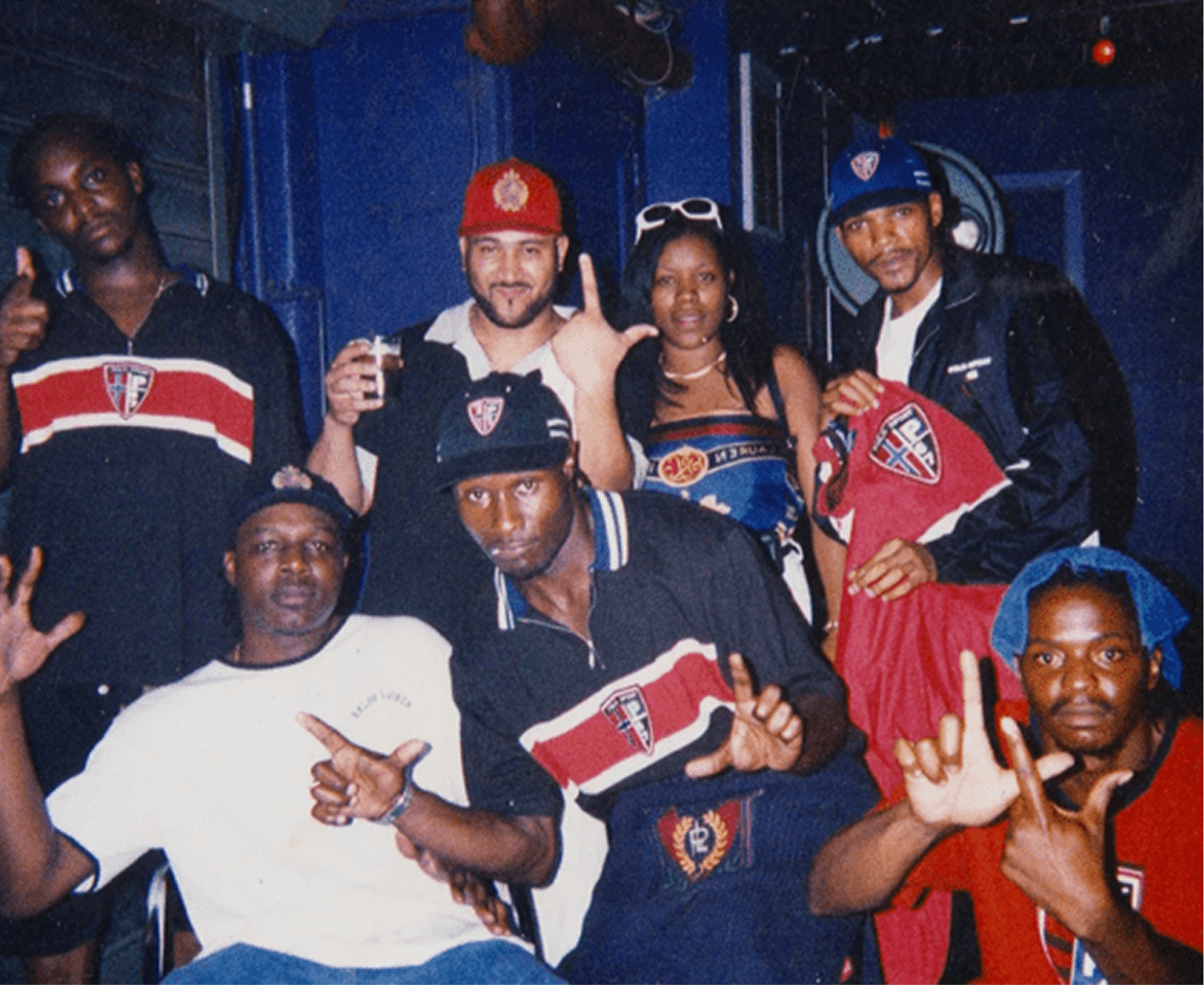
Anyone growing up in America in the 90s couldn't help but be familiar with these lifestyle and sportswear brands and their iconography. The Polo horse crest was the most prominent of a set of symbols that were simply part of the visual firmament, drip-fed via advertising and readily accessible even in small-town department stores. These clothes were designed with country clubs in mind, but the potency of their branding made them widely coveted, and the late 80s and early 90s saw kids far outside their target demographics finding themselves in these brands and claiming them as their own.
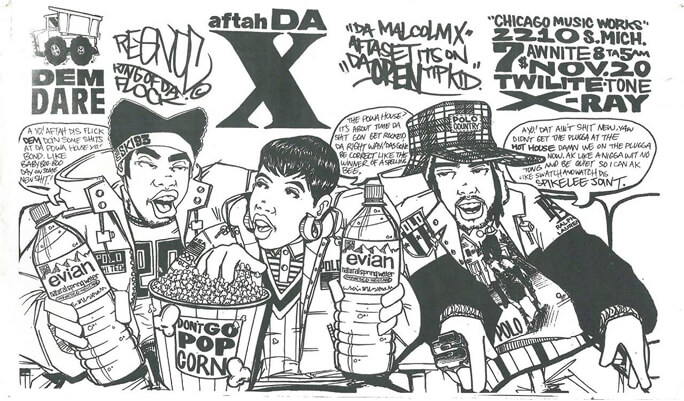
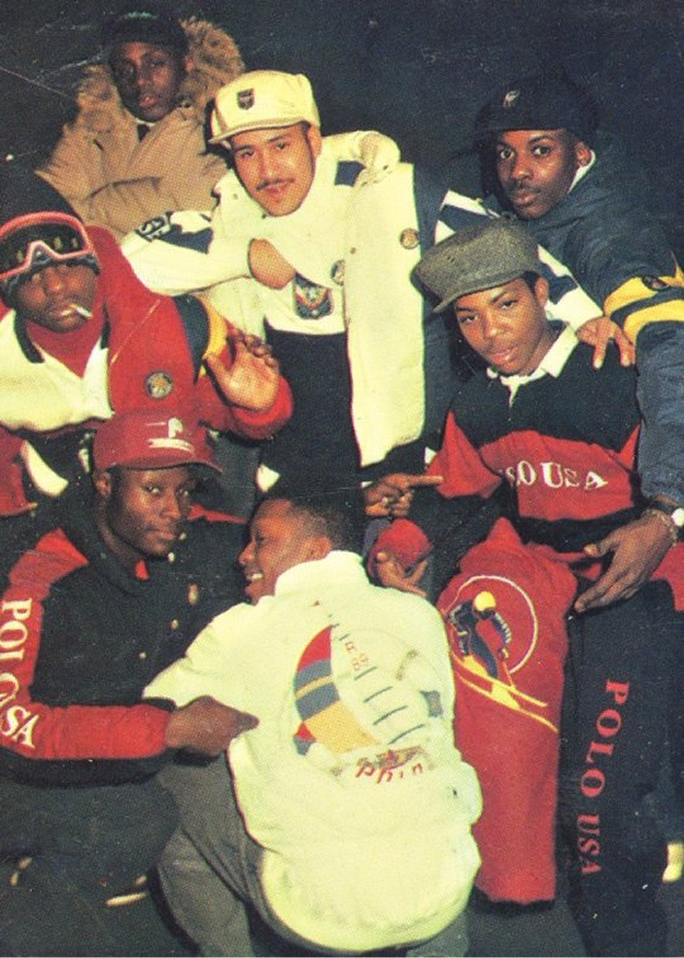
Growing up just outside Chicago, Virgil was activated by hand-drawn flyers for Dem Dare's parties. Formed in the early 90s, Dem Dare11 was a loose collective of rappers, DJs, producers, artists, and dancers with a strong affinity for Polo and a focus on Black excellence and the pursuit of education and wellness. The posters were drawn by founding member Reggieknow12 and depicted young Black kids dipped in Polo and adjacent brands. In an interview with Complex's Lei Takanashi, Virgil spoke of the influence that these posters had on him: “I think a lot of stories are told from New York's and L.A.'s subcultures, but Dem Dare was ours. That Polo culture was an important movement that Reg spearheaded, and he developed the idea of Black kids in Polo with dreads. This is before the internet. Those flyers and the Dem Dare aesthetic, that was a fashion house to me.” This flashpoint of inspiration showed up time and again in Virgil's work. It's no coincidence that Pyrex Vision, his first major foray into fashion and brand building, was made by screenprinting on repurposed Rugby Ralph Lauren flannels. V would close the loop by working with Reggie at Louis Vuitton, tapping him to develop characters and animations for a film called The Adventures of Zoooom and Friends13, released in support of the Spring/Summer 2021 collection.
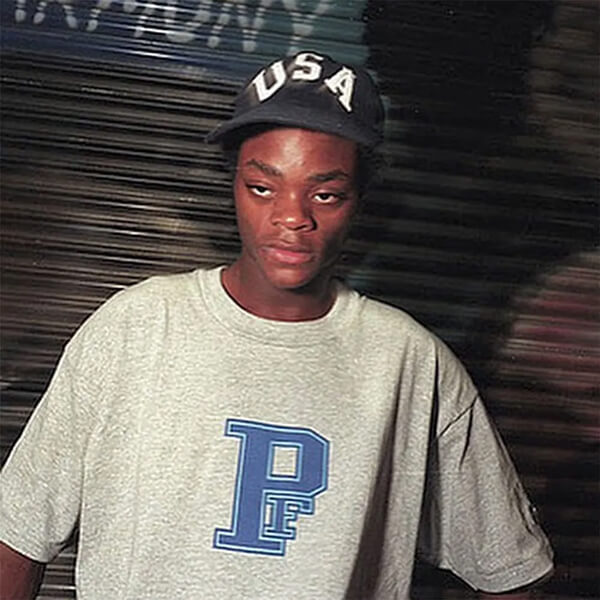
Dem Dare, the Lo Lifes14, and similar crews gave Polo a sort of credibility that Ralph Lauren never could have predicted. They became the face of an undersung segment of the brand's popularity: Black and Latino kids growing up in urban centers, often in low-income neighborhoods. In other words, they made it hip-hop, contributing massively to the brand's reach and relevance at a time when Black aesthetics and art were pop culturally ascendant. They broadened the brand's base and contributed incalculably to its longevity. These kids were some of the brand's loudest evangelists, dedicated to wearing as much Polo as they possibly could. Today, Polo acknowledges and embraces these crews, but that wasn't always the case. Key to the Lo Life lifestyle was that most of their gear was stolen—“racked” or “boosted” from major Manhattan department stores. Narrating a short documentary15 made to accompany his book Bury Me With the Lo On16, Thirstin Howl III17 explained that the idea was really just to take up space and make everything fresh, to move as a platoon drenched in the latest, hardest-to-get Polo—“a bunch of dudes, fly together.” These were friends first and foremost who did virtually everything as a unit, sometimes 60 or more deep, meeting at the Empire Roller Rink in Crown Heights before mobbing into the city to take over a Times Square movie theater or rush a Bloomingdale's for its P-Wings18 and Cookies19. Howl described the look of crews heading into the city as “a united front of Polo Ralph Lauren garments emblazoned with various patches, crests, and silks.” They evoked a team with no sport20, all clearly affiliated but each with their own variation on the theme, not quite monolithic in vibe. Since so much Polo gear is athletic in nature, the effect is similar to that of a football team warming up pre-match, each player using the same kit of parts slightly differently.
Racking Polo might not technically be a sport, but Lo Lifes sure treated it and talked about it like one. If you enjoyed watching Michael Jordan and Dennis Rodman break down their greatest performance play by play in The Last Dance, you might also dig hearing Rack-Lo recount21 particularly fruitful trips to Bergdorf Goodman on his YouTube channel. Howl's How Lo Can You Go22 videos surveying his collection are edited to a similar effect as a fan-made highlights package23—a sprawling genre of video folk art key to sports fandom that thwarts copyright laws with commercial software and unbridled enthusiasm.
Dem Dare's recoding of genteel signifiers and the Lo Lifes' self-perception as outsiders taking what they wanted is totally consonant with the same American sporting ethos Conner embodied. They were certainly underdogs, born into tough circumstances and facing structural disadvantages in the form of racism and poverty. The notion that anything desired must be taken is precisely the stuff of half-time pep talks and post-game truisms, from the smallest rural high schools, to colleges with stadiums that seat six-figure crowds, to Madison Square Garden. The Lo Lifes were outsiders demanding a piece of the good life in the mode of beloved American arrivistes, like the wise guy protagonists of Martin Scorsese24 or Ralph Lauren himself25.
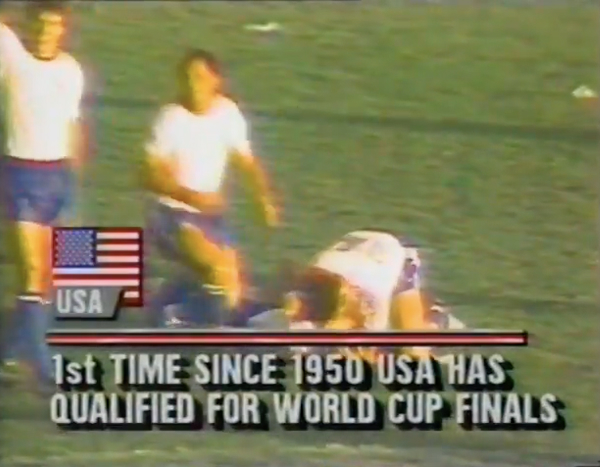
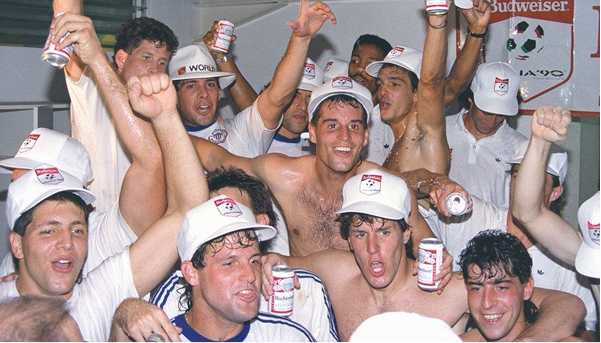
That's not the worst analogy for the USMNT, either. America's first experience with a contemporary World Cup was Italia '90, a tournament for which few expected they'd qualify. Football was not a popular sport by any stretch in America in 1990, but the country rallied around that squad of collegiate athletes and semi-pros. Their kits were basic but effective, and items like their caps became signifiers for a moment of nothing-to-lose enthusiasm in a novel sporting arena. The Americans may have lost all three of their group stage matches, but many of them went on to play in Europe, further priming the nation for the 1994 tournament, which had already been awarded to the US back in 1988. Impressed by the success of the 1984 Los Angeles Olympics, FIFA wagered a World Cup held on American soil would be huge in developing the sport commercially. FIFA stipulated that the US had to follow the World Cup with the establishment of a unified professional league, and thus the MLS was born.
In '94, US Soccer welcomed the world in all-American fashion with Striker26, an affable cartoon dog mascot designed by Warner Brothers. The USMNT fared better this time around, upsetting Colombia to get out of the group stage before losing to eventual champions Brazil in the Round of 16, and the tournament itself was a resounding success, smashing World Cup attendance records. It was a major turning point for Nike in football, too. Nike had been making football boots since the 80s but truly established itself as a force on the pitch during the '94 tournament. The final was played in Pasadena, on hallowed collegiate sporting ground at the Rose Bowl, and when the Italian and Brazilian sides took the pitch, almost half of them were wearing Tiempo Premiers27. In 1995, Nike became US Soccer's official kit sponsor, and the two have been intertwined since.
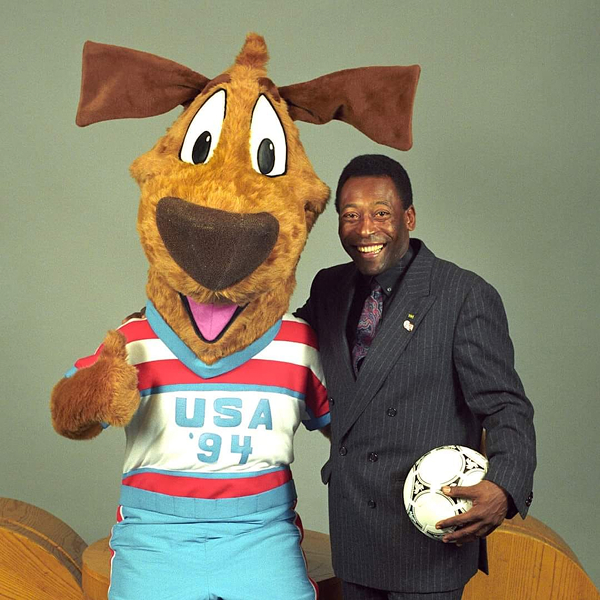
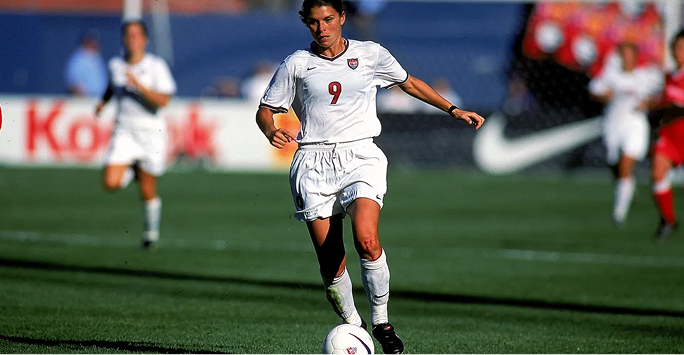
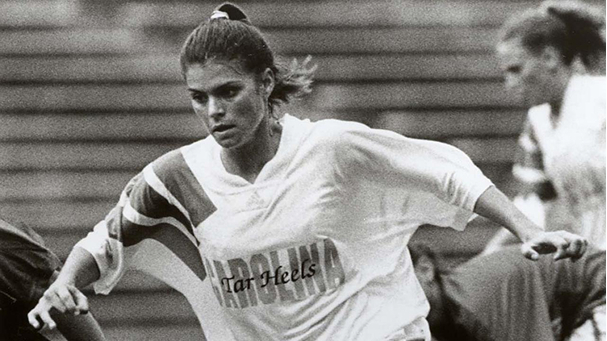
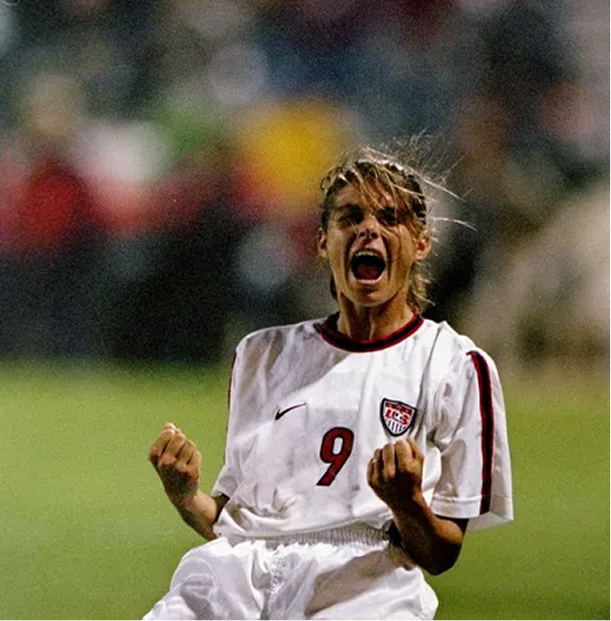
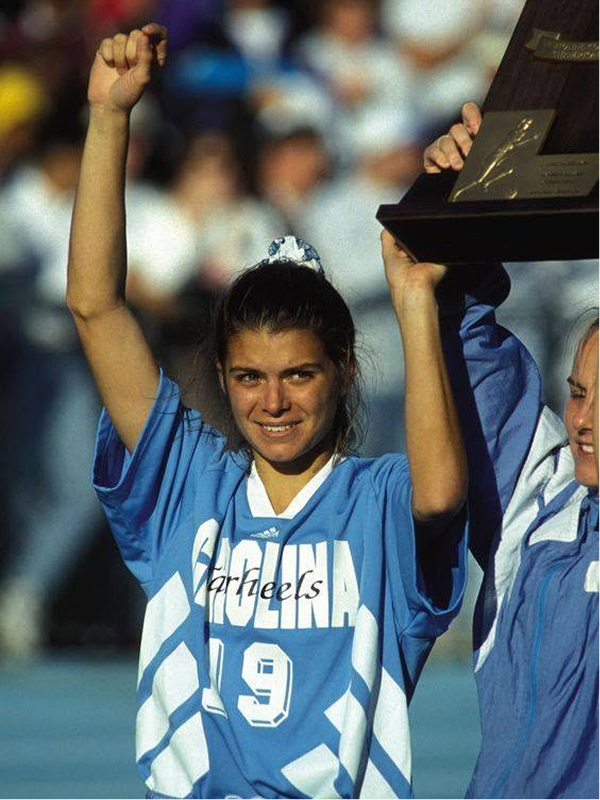
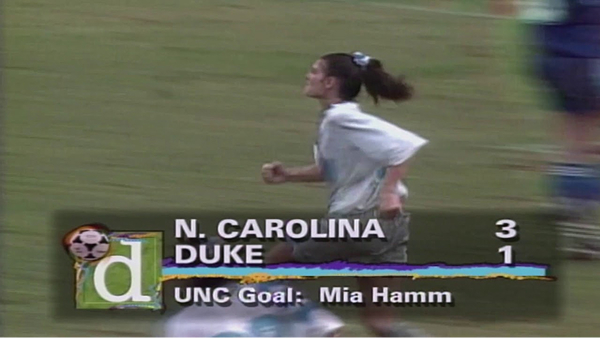
Striker, charming as he was, wasn’t what the country needed to really get into football. Americans needed a superstar, and they found one in Mia Hamm. While the USMNT entered international football competing against national sides with decades of experience and infrastructure, the American women have always dominated. They won the first Women’s World Cup in China in 1991, placed third in 1995, and won Olympic gold in 1996.
Hamm came from a military family and moved frequently, developing an affinity for football as a young girl living in Florence. She was first capped internationally in 1987 when she was 15, played at UNC28 under legendary coach Anson Dorrance, and was a fixture in the USWNT first team by the 1991 World Cup. Hamm was the full package, playing with a lethal combination of pace, stamina, technique, and creativity. Despite her prodigious goal-scoring she was unselfish, creating for others almost as often as she scored herself. By the mid-90s she was starring in Gatorade ads29 opposite Michael Jordan, setting milestones30 for both men and women in the international game, and inspiring young American kids—girls and boys alike—to want to play like Mia.
In 1997, she began working with Nike on the Air Zoom M931, Nike’s first boot made specifically for women. This was the beginning of the end of the “shrink it and pink it” era of women’s sportswear, when brands finally began to approach women’s product as a primary concern rather than an afterthought. The M9 was built from the ground up on a new last engineered for a woman’s foot. In an interview with Bloomberg, Hamm remembers telling Nike about a tour in Brazil marked by torrential rainfalls that left her kangaroo leather boots totally waterlogged, which led to swapping out the traditional leather upper for KNG 100, a less absorbent synthetic. The result was a boot that was light, durable, and corrected many of the fit issues women experienced when playing in men’s boots. Aesthetically, it’s one of the most underrated designs in Nike’s locker. The original was mostly black, per Hamm’s preference, and the toe stitching arced concentrically like ripples on a pond. Pops of red show up on the instep, the studs, and on Hamm’s logo, embroidered on the flip side of the foldover tongue.
The M9 arrived in time for the 1999 Women’s World Cup, once again played at home in America. The USWNT faced China, once again at the Rose Bowl, eventually winning on penalties after a brutal 120 minutes of scoreless football. Hamm took the fourth of the USWNT’s five penalties, coolly slotting a low shot to Chinese keeper Gao Hong’s left to give her team the lead. About a minute later, Brandi Chastain buried the clinching penalty to give the USWNT their second World Cup, ripping her shirt off and dropping to her knees in what’s become an indelible moment in the American sports canon. She, too, was wearing a pair of M9s.
An apex predator put on pause through engineering and chemistry in order to provoke wonder and reflection."
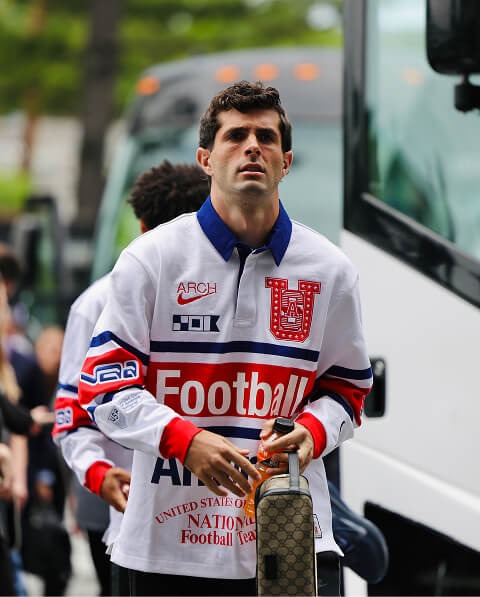
In honor of Hamm, and in the tradition of Virgil’s longstanding commitment to working with women athletes at Nike32, V.A.A.™ chose the only women’s sneaker silhouette in the X2 collection: an update of the M9, reworked with Nike’s new Cryoshot midsole.
For the 2026 tournament, stateside for the first time since ’94, Nike’s boot savants in Montebelluna33 developed Cryoshot, a new method for casualizing performance boots. Rather than replacing the tooling and studs with a typical rubber sole, Cryoshot builds around them, encasing the studs in transparent TPU that took ages to perfect34.
Transparency was a major motif in Virgil’s work, both with Nike and in his own practice. In a sense, the Cryoshot project is Nike catching up to one of Virgil’s core codes:ghosting35. The difference is that transparency is used here not to reveal but to frame. Icing the studs shifts their purpose from practical to aesthetic. Putting the functional on display is inherently Duchampy36, which V would no doubt appreciate, but a more era-appropriate comparison might be The Physical Impossibility of Death in the Mind of Someone Living37: An apex predator put on pause through engineering and chemistry in order to provoke wonder and reflection.
Cryoshot, by its team’s own admission, is about memory, and therefore about the passage of time38. Says Michele Galasso, Lead Footwear Developer for Nike in Montebelluna: “Football boots exist on this interesting spectrum of memento and performance equipment. It’s reserved for the pitch. Over time, once you stop playing, it turns into a beautiful piece of memorabilia, like a museum piece. We wanted it to be possible to wear these boots every day.” Nostalgia is a bittersweet, and what’s most interesting about the Cryoshot project is how well these sneakers work on their own, independent of their respective histories. Like the pulsar wave on the cover of Unknown Pleasures39, the encased studs have their own inherent appeal. These origin stories are interesting, they add depth, but even without, they work as pure, freestanding objects.
So, instead of the shark suspended in formaldehyde, maybe we should compare the Cryoshot to another totem of late 90s transparent design: the Bondi Blue iMac G340, which used a colorful translucent enclosure to make the personal computer attractive, approachable, fashionable—one of the most inherently optimistic industrial designs ever produced. Jony Ive once noted that, the interesting thing about accurately measuring abstract ideas, such as time, is that it necessarily involves a craftsman.41 He was speaking more about clocks and watches, but in the case of the Cryoshot, it took some of Nike’s finest craftspeople, operating from a historical wellspring of technical innovation, to figure out how to adapt these sneakers for daily duty without removing a crucial part of their character. The result is an everyday sneaker that doubles as a museum vitrine, a mobile tribute to the boots’ high-intensity origins and the players like Hamm and Chastain who gave them their aura.